

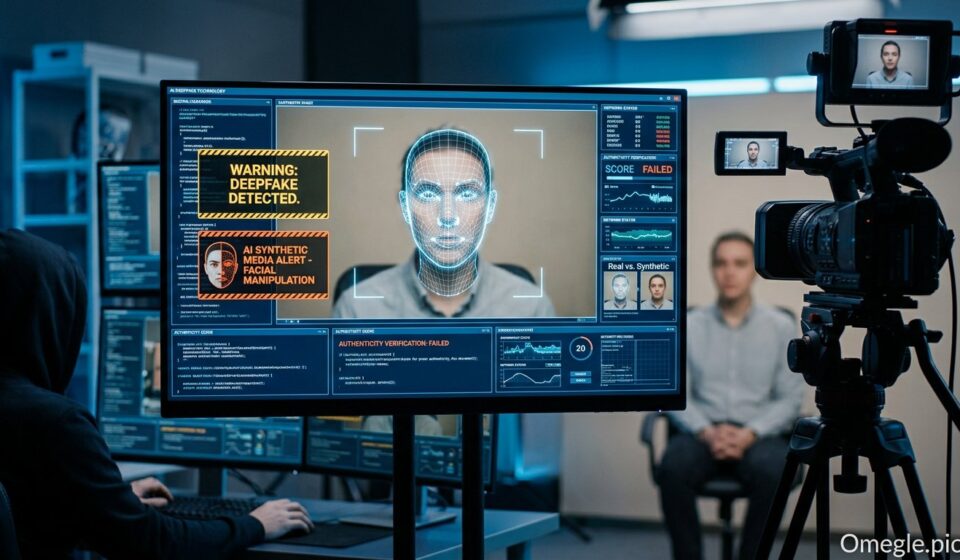

If someone video calling you looked exactly like a friend or family member but wasn’t actually them, would you know? This question has moved from theoretical to urgent as deepfake technology has become accessible enough that anyone can create convincing synthetic video content. In 2026, deepfakes are no longer just a concern for celebrities and executives—they’re affecting everyday users on video chat platforms. This isn’t fearmongering; it’s the current state of synthetic media that users need to understand.
The Rise of Deepfakes in Video Chat Environments
When deepfake technology first emerged, creating convincing fake videos required significant technical skill and computing resources. That’s no longer the case. TechTimes’ coverage of AI cyber threats documents how generative AI tools have democratized deepfake creation, allowing bad actors with minimal technical knowledge to generate realistic synthetic video.
The implications for video chat platforms are significant. Unlike pre-recorded content where deepfakes can be analyzed before sharing, live video chat creates real-time deception opportunities. Attackers can now manipulate video feeds during actual conversations, appearing as someone else in real-time.
For random video chat specifically, this creates new risks. Someone could potentially use a deepfake to pose as a different person, manipulate their appearance to seem more trustworthy, or record conversations for extortion purposes. The anonymous nature of these platforms makes verification difficult and accountability scarce.
How Deepfakes Are Being Used in Chat Scams
Deepfake deployment in video chat scams typically follows recognizable patterns:
Impersonation Fraud: Scammers use synthetic video to pose as someone the target knows—a friend, family member, or authority figure. The emotional connection bypasses skepticism. We’ve documented cases where deepfake video calls were used to convince targets to transfer money or share sensitive information.
Recorded Content Manipulation: Beyond real-time deception, deepfakes enable recording conversations with someone’s likeness and later manipulating the content. This creates blackmail and extortion opportunities that didn’t exist a few years ago.
Fake Persona Creation: On anonymous platforms, deepfakes allow users to present completely fabricated identities. Someone can appear as an attractive person matching whatever persona they want to project, enabling romance scams and other manipulation strategies.
The CloudSEK overview of deepfake detection tools shows that organizations are racing to build countermeasures, but detection technology lags behind generation capabilities. The asymmetry favors attackers.
Current Detection Methods and Their Limitations
Platforms and security companies have developed various approaches to detecting synthetic content:
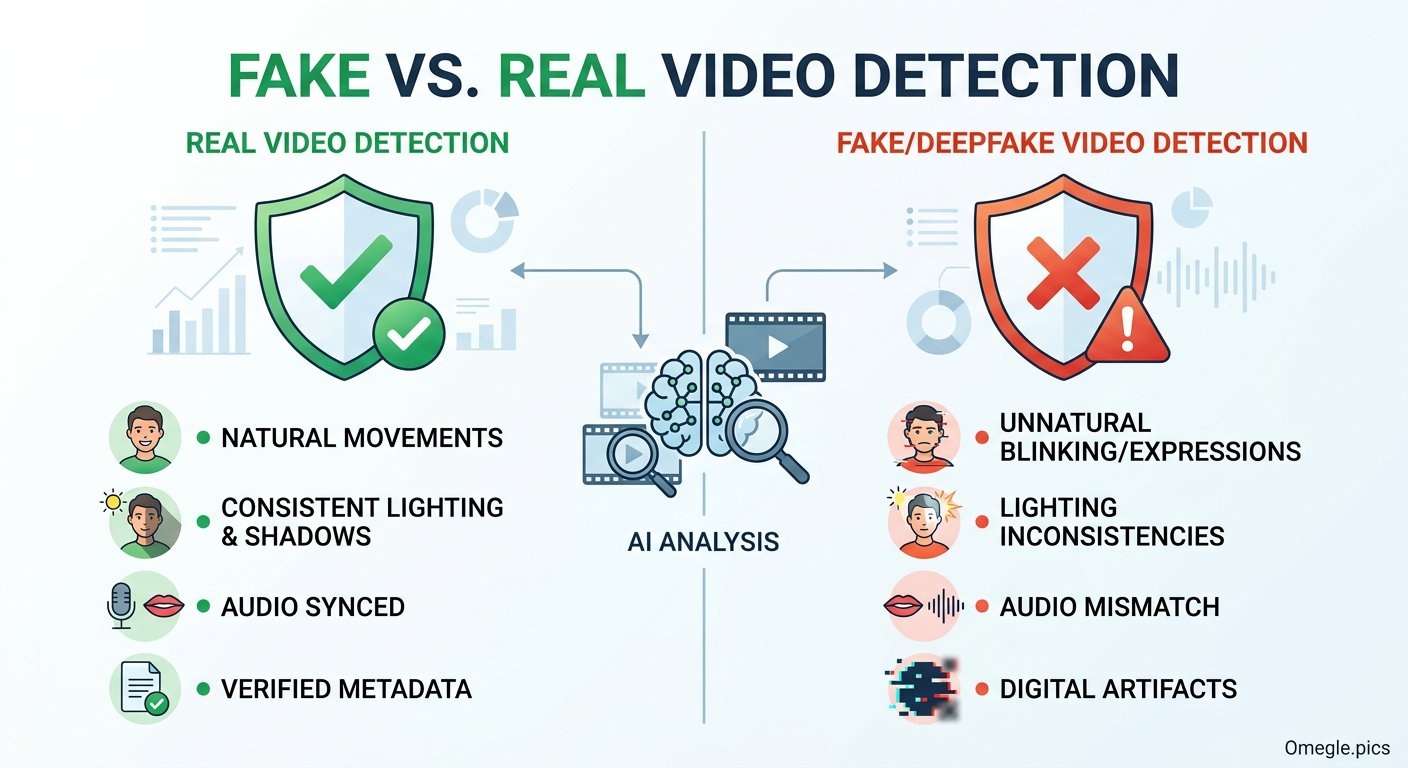
Artifact Detection: Analysis of visual inconsistencies that deepfake generation often leaves behind—unnatural eye movement, inconsistent lighting, facial distortion at edges. However, as generation technology improves, these artifacts become harder to find.
Biometric Analysis: Looking for physiological signals like blood flow patterns, eye blinks, and natural facial movement. Authentic video contains subtle biological indicators that current deepfakes often struggle to replicate perfectly.
Behavioral Analysis: Examining conversation patterns, response timing, and interaction style for signs of automation or manipulation. Deepfakes may look right but behave differently than real people.
No single detection method is reliable against all deepfakes. The most robust approach combines multiple signals and accepts that some attacks will succeed regardless of precautions. For users, this means personal vigilance remains essential even as platforms implement technical solutions.
What Platforms Are Doing About Deepfakes
Major video chat platforms are implementing various countermeasures:
Content Authentication: Some platforms are experimenting with cryptographic signing of video content at capture time, creating verification chains that prove authenticity. This addresses provenance rather than detection—proving where content originated rather than analyzing what exists.
Real-Time Analysis: AI-powered systems that analyze video feeds during conversations for manipulation indicators. These run continuously in the background, flagging suspicious activity without interrupting user experience.
Verification Systems: Optional identity verification that users can enable to prove they’re who they claim to be. While this doesn’t prevent deepfakes directly, it creates accountability structures that deter bad actors.
User Reporting Improvements: Enhanced reporting mechanisms specifically targeting suspected deepfakes and synthetic content. Faster response to reports helps limit damage when deepfakes do appear.
For practical protection while using these platforms, see our comprehensive safety guide which covers strategies for navigating platforms where verification is limited.
Protecting Yourself in the Age of Synthetic Media
Technical solutions alone cannot solve the deepfake problem. User awareness and defensive habits are essential:
Verification Challenges: When something feels off, ask unexpected questions that would be difficult to answer with a deepfake—questions about shared memories, specific details, or recent interactions that you know well.
Urgency Red Flags: Deepfake scams often create artificial urgency to prevent thoughtful evaluation. Requests for immediate money transfers, urgent personal favors, or quick decisions should trigger verification attempts regardless of how legitimate the video appears.
Out-of-Band Verification: When a video call involves significant decisions, verify through a separate communication channel. Hang up and call a known number, send a separate message to confirm details, or delay decisions until you can verify through an independent method.
Limit What You Show: Our camera privacy guide covers protecting yourself by controlling what appears on camera. The less material available of you, the harder it is to create convincing deepfakes of your likeness.
Awareness of Recording Risks: Assume any video chat could be recorded and manipulated. This isn’t paranoid—it’s realistic given current technology. Content you wouldn’t share publicly shouldn’t appear on camera with strangers.
The deepfake threat is real and evolving. In 2026, users face a landscape where synthetic media is increasingly accessible and detection remains imperfect. Technical solutions will improve, but the human element—skepticism, verification habits, and awareness—remains your best defense against manipulation that bypasses whatever protections platforms implement.
Stay informed about emerging threats, maintain healthy skepticism about video content that seems too good or too urgent, and remember that the anonymous nature of random video chat makes verification difficult regardless of what you see on screen.