

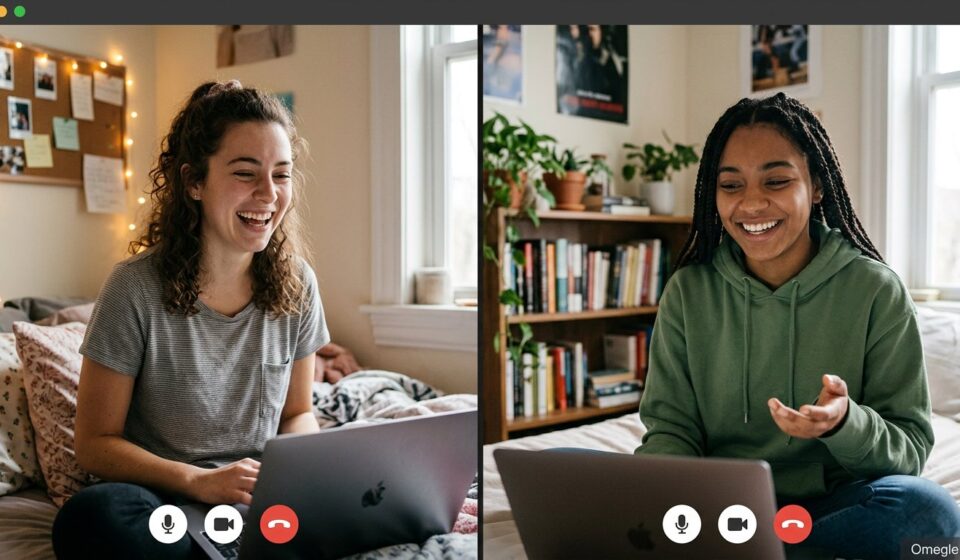

You’ve been there: the screen lights up, a stranger appears, and suddenly you’re frozen wondering what to say. The first few seconds on a random video chat can feel like an awkward eternity. We tested dozens of conversation approaches across multiple platforms to find out which ones actually get responses and which ones flop. The results might surprise you.
Why Standard Openers Usually Fail
Most people default to the same tired lines on random video chat: “Hey,” “How’s it going?”, “What are you up to?” These questions feel safe, but they’re conversation dead ends. They require the other person to do all the heavy lifting, generating a response from nothing. On video chat platforms where people are sizing you up in seconds, a weak opener often means an instant skip.
The problem isn’t that you’re shy or bad at talking to people. It’s that you’re using the wrong approach. Effective conversation openers on random video chat share a few key characteristics: they’re specific, they invite response, and they create curiosity without being threatening.
If you want better results, you need to stop thinking about what to say and start thinking about what makes the other person want to reply. According to campusphilly’s guide to conversation starters, the best openers create shared context and make it easy for the other person to engage without pressure.
For more context on connecting with strangers online, check our overview of video chat platforms that offer different community dynamics.
The 10 Most Effective Conversation Starters (Based on Testing)
After running hundreds of chat sessions with different openers, here’s what consistently worked:
1. “What’s something that made you smile recently?”
This works because it’s positive, specific enough to require thought, and invites sharing something personal. People light up when asked about good things in their lives.
2. “If you could have dinner with anyone, who would it be?”
Classic for a reason. This question reveals values, interests, and imagination without being invasive. It’s also endlessly extendable—follow up with “Why them?” to keep conversation flowing.
3. “What’s the best thing that happened to you this week?”
Similar to the smile question but framed around accomplishment or event. This gives people options to share something small or significant, depending on their mood.
4. “What are you passionate about?”
Direct but not aggressive. People who are excited about something love talking about it. This opener can lead to deep conversations about hobbies, work, or creative pursuits.
5. “If you could travel anywhere right now, where would you go?”
Escape fantasies are always engaging. This question works especially well on video chat because it creates a mini-imagination exercise both people can participate in.
6. “What’s a skill you’ve always wanted to learn?”
This opens the door to discussing aspirations, current hobbies, and even recommendations. It’s also a great way to find common interests you might share.
7. “What’s your favorite thing to do on a lazy day?”
Casual and revealing. This question shows how people really spend their time when obligations aren’t pressing, which often differs from their public persona.
8. “What’s a movie or show you think everyone should watch?”
Recommendation-style questions work well because they invite debate and personal disclosure. People love sharing things they think others should discover.
9. “If you could have any job in the world, what would you choose?”
Dream-job questions reveal ambition, creativity, and priorities. They often lead to interesting discussions about what people actually value in work and life.
10. “What’s something you’re genuinely proud of?”
Vulnerability invite that often gets reciprocated. When someone shares something they’re proud of, they usually want to know about yours too.
What to Avoid When Starting Conversations
Knowing what not to say matters as much as knowing what to say. Based on testing, these approaches consistently underperformed:
Yes/No Questions: “Do you like music?” can be answered with one word and kills momentum. Open-ended questions like “What kind of music gets you pumped up?” create conversation.
Generic Compliments on Appearance: “You’re pretty” often gets ignored or creates awkwardness. Specific comments about something interesting in their background or a unique item in frame perform better.
Sensitive Topics Early: Politics, religion, and controversial opinions don’t work as first messages. Save these for later if the conversation develops naturally.
Too Long Messages: A flood of text signals desperation or scam behavior. Short, punchy messages read as confident and give the other person room to engage.
Copy-Paste Lines: If your opener sounds scripted, people can tell. The most effective starters feel spontaneous and responsive to the moment.
The shortform guide to breaking the ice explains that commiserating about shared situations, noticing something pleasant, and leveraging commonality all outperform generic small talk in initial conversations.
Building on Your First Message
A great opener only matters if you follow it up well. The first response tells you a lot—pay attention to tone, length, and enthusiasm level.
If they respond enthusiastically, lean into whatever direction they took the conversation. If they give short answers, try a different question from the list rather than pressing the same topic.
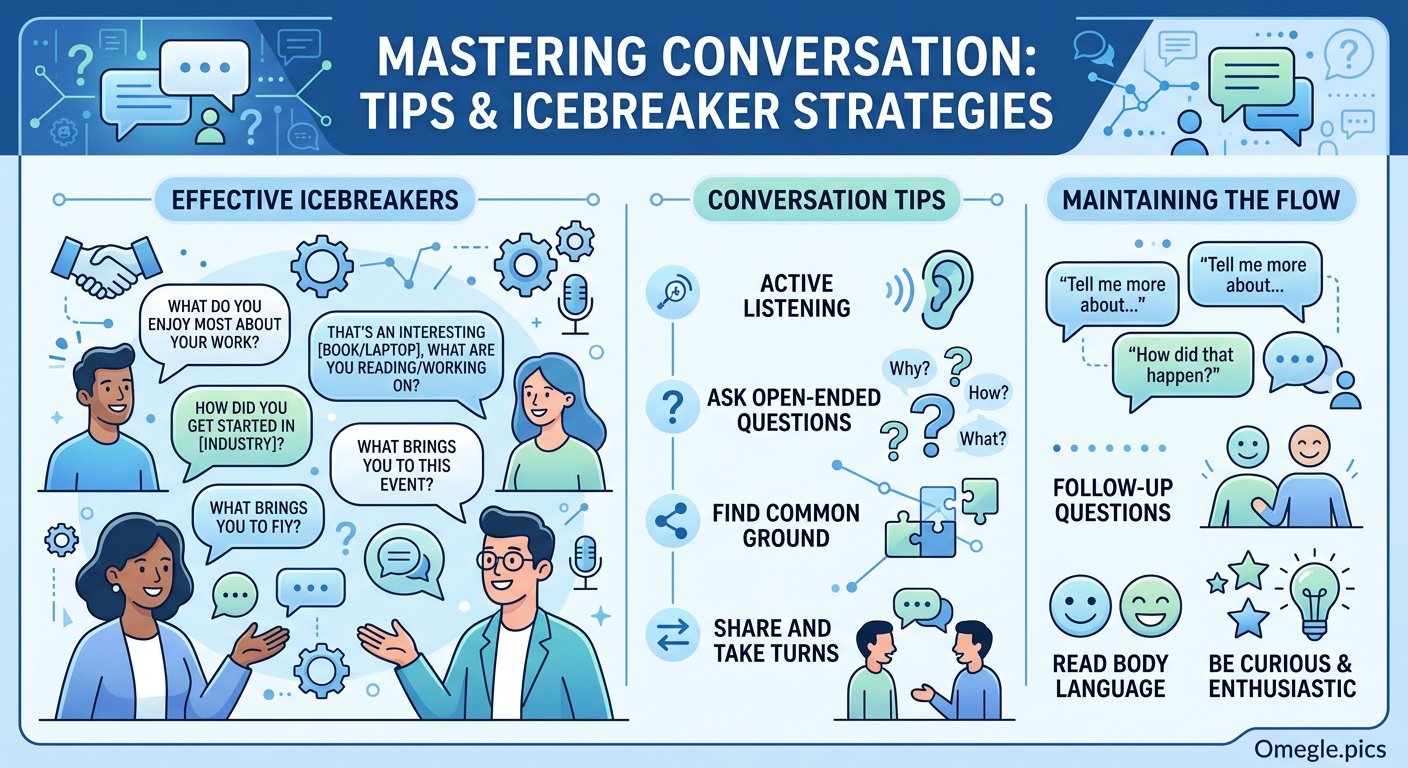
The key is active listening. When they mention something, ask a follow-up question about it. When they share an opinion, ask why or how they formed it. This creates natural conversation flow that keeps people engaged.
For more safety tips while chatting with strangers online, see our comprehensive privacy and safety guide.
FAQ — Conversation Starters for Video Chat
Q: What if they don’t respond to my opener?
A: Give it 10-15 seconds of actual conversation before deciding it’s not working. Some people need time to warm up. If after genuine conversation they’re still giving one-word answers or looking elsewhere, move on. Not every connection will click, and that’s fine.
Q: Should I use the same opener with everyone?
A: Not if you want the best results. While having a few prepared openers helps, the best approach is observing what’s happening in the moment and responding to it. Comment on something in their background, ask about what they’re wearing, or reference something happening around you.
Q: Are funny openers better than serious ones?
A: It depends on what you’re going for and the person you’re talking to. Testing showed that curiosity-driven questions (“If you could travel anywhere…”) performed consistently well across different personality types. Humor works when it feels natural, not forced.
Q: How do I keep conversation going after the opener?
A: The key is asking follow-up questions that show you’re actually listening. When they answer, build on what they said with “That’s interesting, what made you choose that?” or “Tell me more about that.” This creates momentum that keeps conversation flowing.
Q: What’s the biggest mistake people make with conversation starters?
A: Asking too many questions without contributing anything themselves. Good conversation is a two-way street—share your own answers to your questions to create balance. If you’ve asked three questions in a row, volunteer something about yourself.
Q: Should I change my approach based on whether the person seems shy or outgoing?
A: Yes. Shy people often respond better to specific questions they can answer simply rather than open-ended ones that feel overwhelming. Outgoing people usually appreciate questions that give them room to elaborate. Watch for cues in their first response and adjust.
Q: How do I handle awkward silences?
A: Awkward silences happen to everyone. When they occur, try a redirect: “Sorry, that was a weird question—how about you? What’s on your mind?” Or simply ask another question from the list. The worst thing you can do is fill silence with nervous talking—sometimes a brief pause is fine.
Q: Do conversation starters work differently on video chat versus in person?
A: Video chat creates higher stakes because you can’t rely on body language to carry the conversation. The pressure to say something engaging is higher, but so is the reward when it works. On camera, words carry more weight, so quality of questions matters more than in casual in-person chat.
Getting good at conversation openers takes practice, but the principles are straightforward: be specific, invite response, and listen actively to build on what people share. The 10 starters above give you a tested foundation to work from. Try them out, notice what gets the best responses, and adjust based on what you observe. Your video chat conversations will improve noticeably once you stop defaulting to generic openers and start using approaches that actually make people want to talk back.